TPO vs. EPDM vs. Modified Bitumen: Which Flat Roofing System Is Right for Your Building?

If you own a commercial building, industrial facility, or a home with a flat or low-slope section of roof, you've probably heard these three terms tossed around: TPO, EPDM, and modified bitumen. Each has its strengths, and the right choice depends on your building, your budget, and how long you plan to own the property. Here's a straightforward breakdown.
TPO (Thermoplastic Polyolefin)
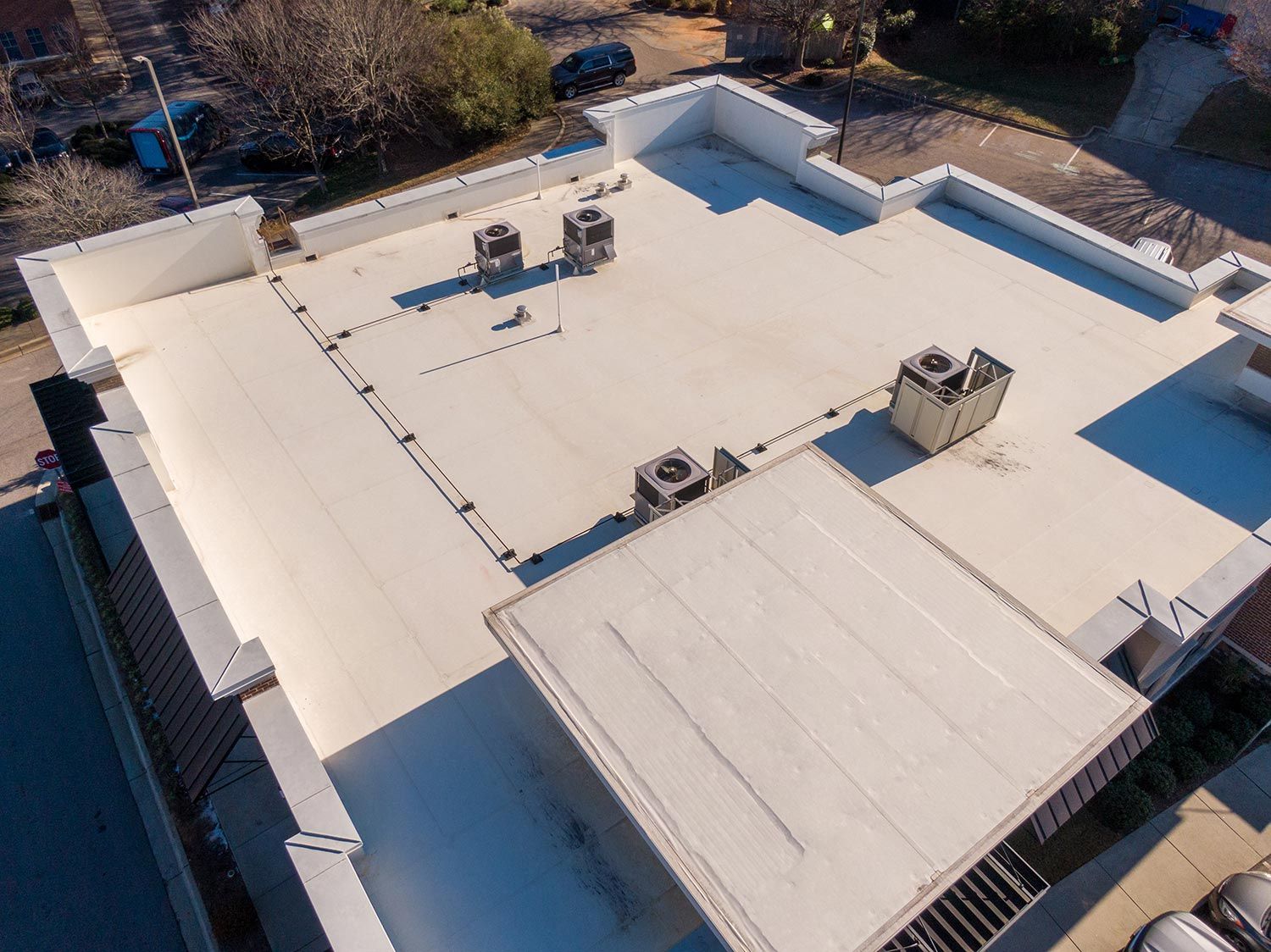
TPO has become one of the most popular flat roofing choices over the past decade, and for good reason. It's a single-ply membrane that reflects sunlight, which can help lower cooling costs in the summer months. It's also resistant to UV rays, chemical exposure, and punctures, making it a strong option for commercial buildings with rooftop equipment or foot traffic. Installation is relatively fast, and the material offers a good balance of performance and price.
EPDM (Rubber Roofing)
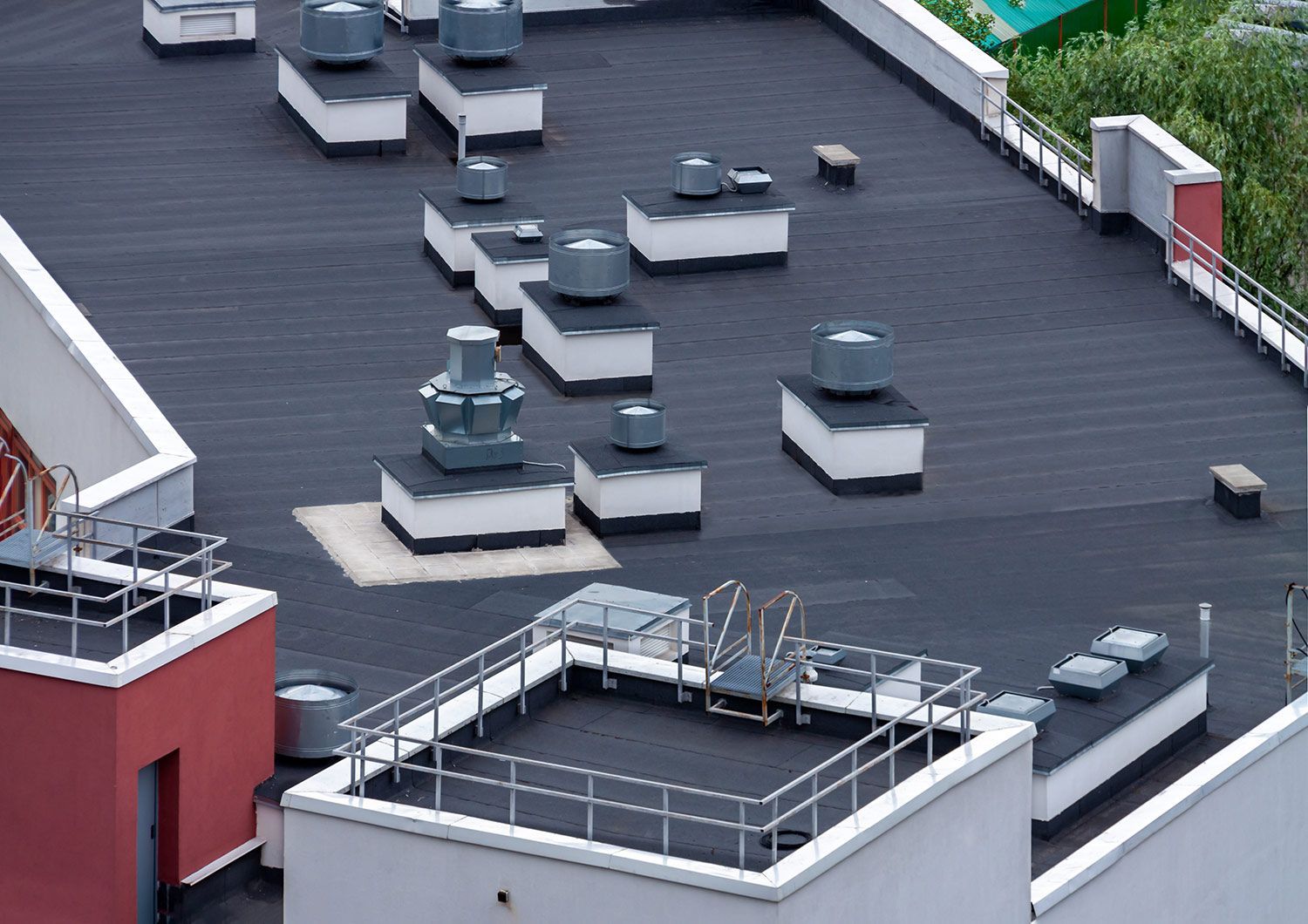
EPDM has been a trusted workhorse in flat roofing for decades. It's a synthetic rubber membrane known for its durability and flexibility, which matters in a climate like ours where temperatures swing from humid summers to freezing winters off Lake Michigan. EPDM handles that expansion and contraction well and tends to have a long service life. It's typically black, which means it absorbs more heat than TPO, but for buildings where UV reflectivity isn't a priority, it remains one of the most reliable and budget-friendly options available.
Modified Bitumen
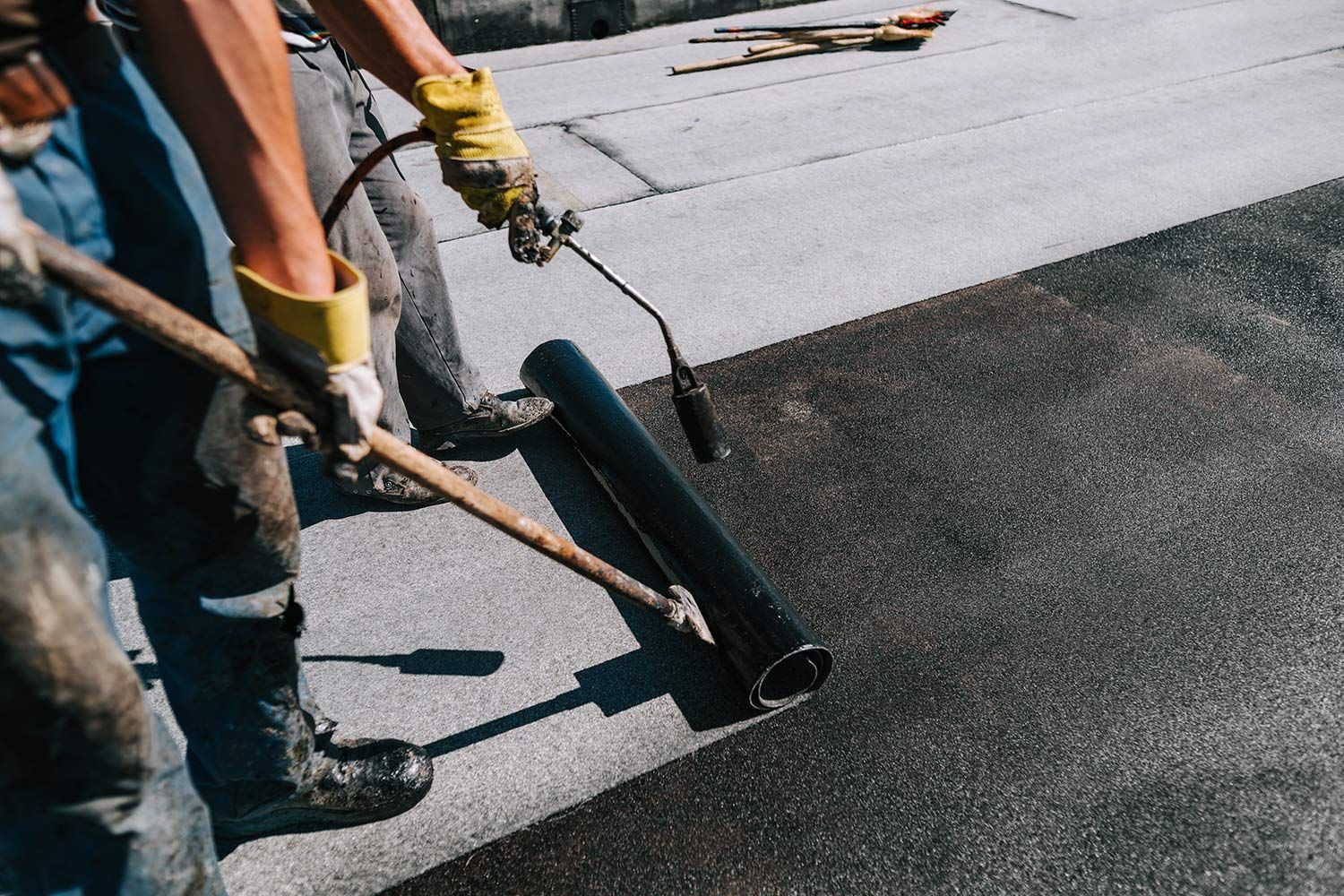
Modified bitumen is an asphalt-based system reinforced with polyester or fiberglass, often installed in multiple layers for added strength. It's a good fit for buildings that see heavier foot traffic or need extra puncture resistance, and it has a long track record of performance in colder climates. Installation methods vary torch-applied, self-adhered, or hot-mopped and the right approach depends on the building and local code requirements.
So which one is right for you?
There's no single "best" flat roofing system the right choice depends on your building's use, your climate exposure, your budget, and your long-term plans for the property. A rooftop covered in HVAC units and regular maintenance traffic has different needs than a low-traffic storage building.
That's where a straightforward, honest assessment matters. Indiana Roofing Company has spent over 25 years installing and repairing all three of these systems across Northwest Indiana, from Hammond to Valparaiso to South Bend. We'll walk your roof, talk through your options, and give you a clear recommendation not just an upsell.